
Experimental School of Urban Ecology:
Foraging and Land Stewardship
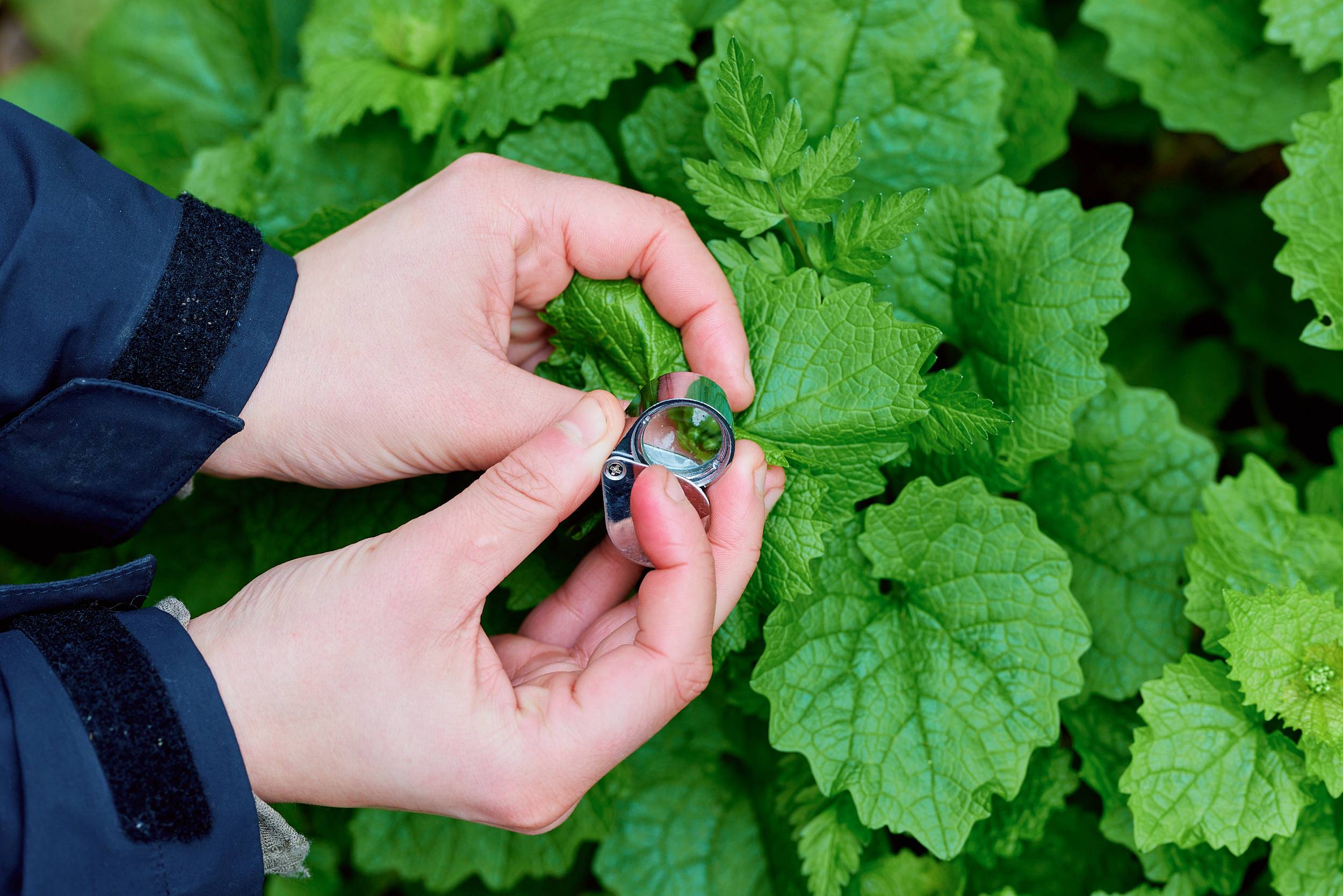
Bethnal Green Nature Reserve is proud to launch its first course from the 'Experimental School of Urban Ecology: Foraging and Land Stewardship'. This six-module course offers a hands-on, integrative approach to wild food gathering, combining practical skills with ecological understanding and community-focused learning.
The course runs across the year to capture the unique lessons of each season, starting in April and concluding in November 2026.
-
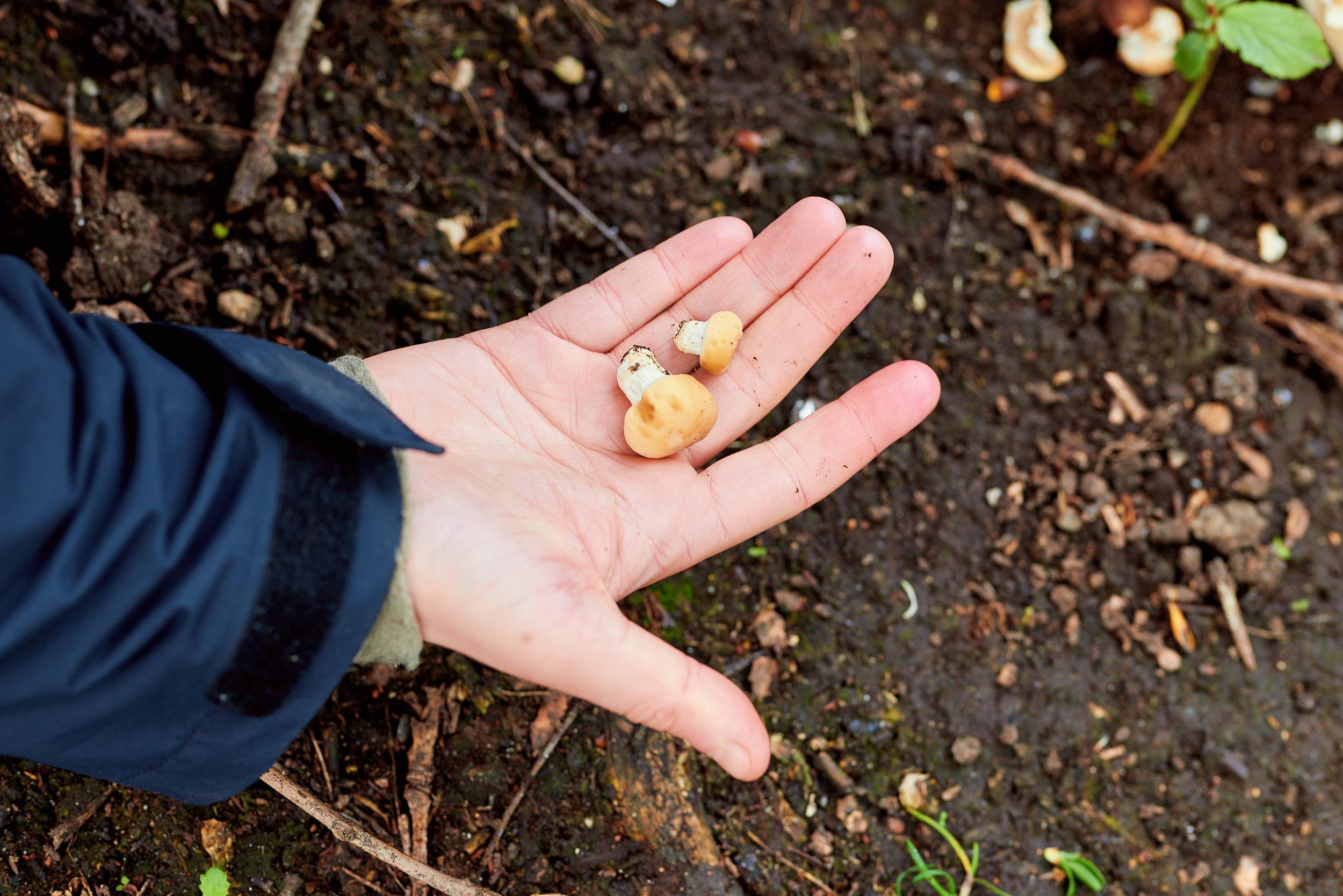
Mornings are spent outdoors at the Nature Reserve, developing skills in plant and mushroom identification, harvesting, preservation, and herbal medicine.
-
Afternoons focus on broader themes through lectures and discussions, including ecology, ethnobotany, and land stewardship.
The course includes personalised online tutorials, access to guest lectures from foragers, herbalists, botanists, and artists, and suggested research pathways to support continued learning. By the end, participants will have practical competence, deeper ecological awareness, and a grounded understanding of the theory, ethics, and politics of foraging and land stewardship.
Module overview
Module 1: Foraging Laws, Rights and Responsibilities (April 24th )
Module 2: Sustainable Harvesting Practices (May 15th)
Module 3: Botany, Taxonomy and ID skills (June 26th)
Module 4: Practical Herbal Medicine (July 17th)
Module 5: Storytelling (Sept 25th)
Module 6: Fungi (away day) (Oct 23rd)
Course Contact Hours - 50 hours total
- Seven on-site sessions (6 hours each)
- Six 1-hour lectures
- 2 hours of tutorial time
- Suggested Independent Research: 1–3 hours per module
The course will conclude with a seventh day where all participants are invited to share personal learnings and reflections from the course. Students are expected to attend all course sessions and engage actively in independent research to fully benefit from this learning opportunity.
Who is this course for
This course is suitable for beginners, though a prior interest in foraging, or a personal or professional practice connected to it, will be beneficial. We especially encourage participants who are interested in engaging in peer discussions from critical and justice-led perspectives.
Suggested participant groups include Forest School Leaders, park rangers, outdoor educators, aspiring foraging tutors, individuals interested in sustainable food systems, artists whose work engages with the land, or anyone working with plants or fungi. We recognise that there is no single path to building a foraging practice and are eager to expand the definition of what it means to be a forager or land steward.
We recognise that there is no single way to build a foraging practice, and we aim to broaden the definition of what it means to be a forager or land steward.
The venue
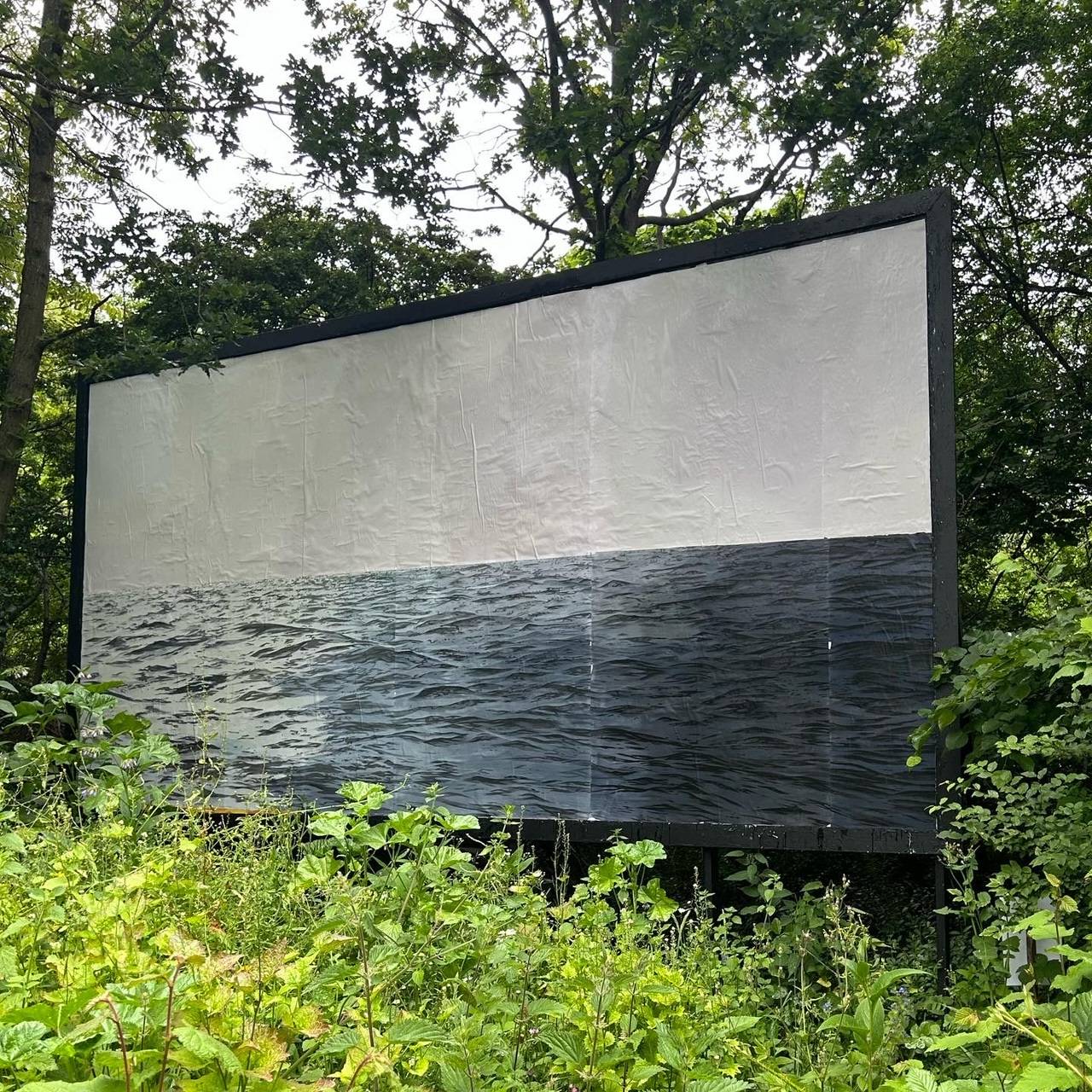
The course takes place primarily at the Bethnal Green Nature Reserve, an outdoor, off-grid cultural institute in East London. Both a living landscape and an educational space, the Reserve is dedicated to intersectional research across culture, ecology, and community learning.
Afternoon lectures will take place in the fully accessible community centre next door, with electricity, kitchen and bathroom facilities.
Module 6: Fungi (field-trip) – October 23 will be held offsite in a woodland approximately one hour by train from central London (£15–20 ticket cost). Please note that this trip is not wheelchair accessible, but online learning pathways will be available to those with access needs. Please let us know if you require access support to participate.
What you will need
- Pens or pencils
- Notebook (weatherproof if possible)
- Wet weather clothing suitable for all seasons
- Sturdy, waterproof footwear
- Warm layers (even in warmer months)
- Reusable water bottle
- Packed lunch and snacks
Please ensure clothing is appropriate for uneven terrain and changing weather conditions, as sessions will take place outdoors in all but extreme conditions.
1-on-1 tutorials and guest lectures will be held online, so you will occasionally need access to a smart device and reliable internet. Please let us know if you would like to discuss any adjustments to support your access to the online components of the course.
Instructor biography
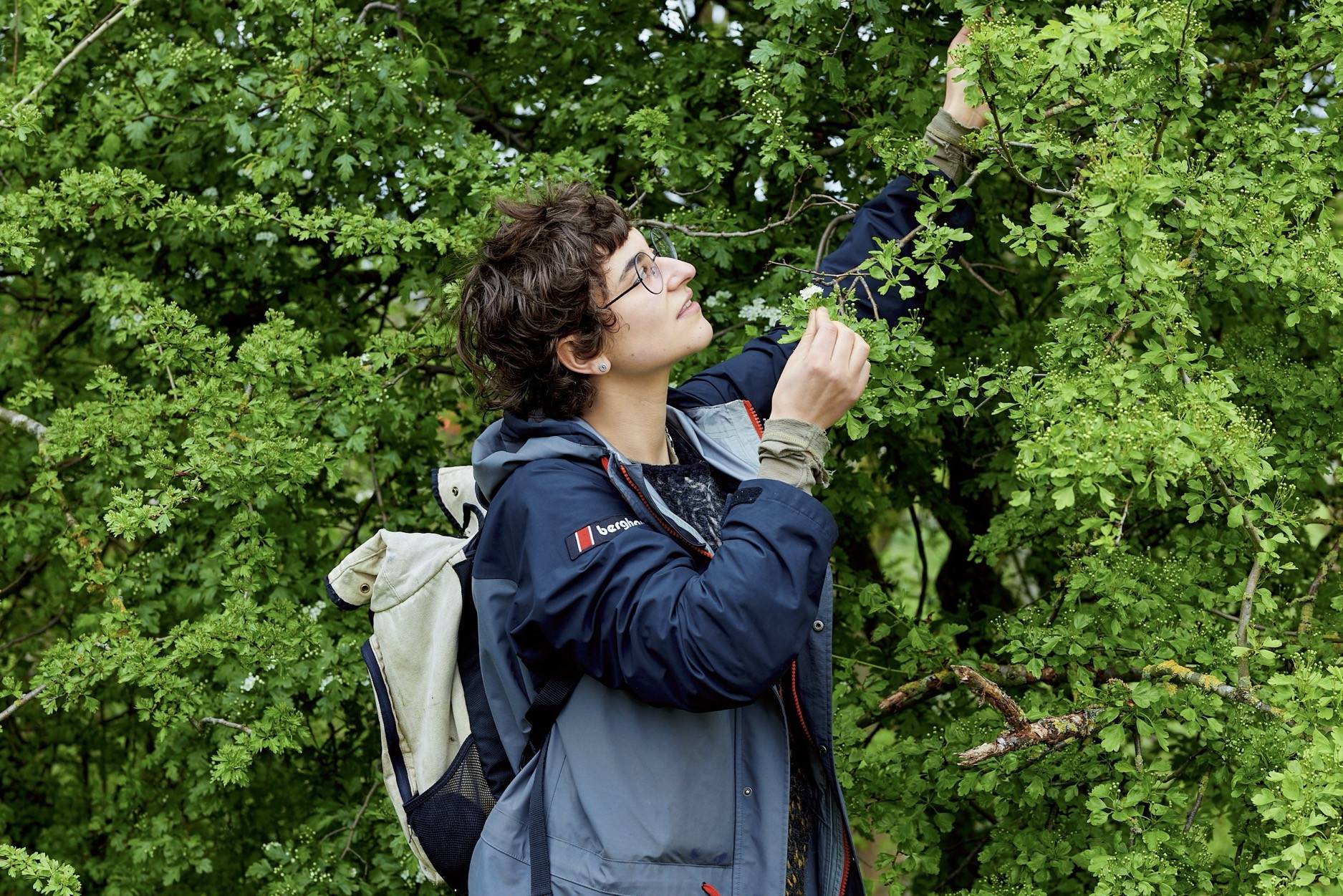
Izzy Johns is a foraging teacher, storyteller and weaver, and runs a foraging project called Rights For Weeds [link]. She teaches foraging at the Bethnal Green Nature Reserve and many other sites across the UK. Izzy’s primary interest as an educator and artist is to build non-linear and non-hierarchical learning environments, which facilitate communion with the land.
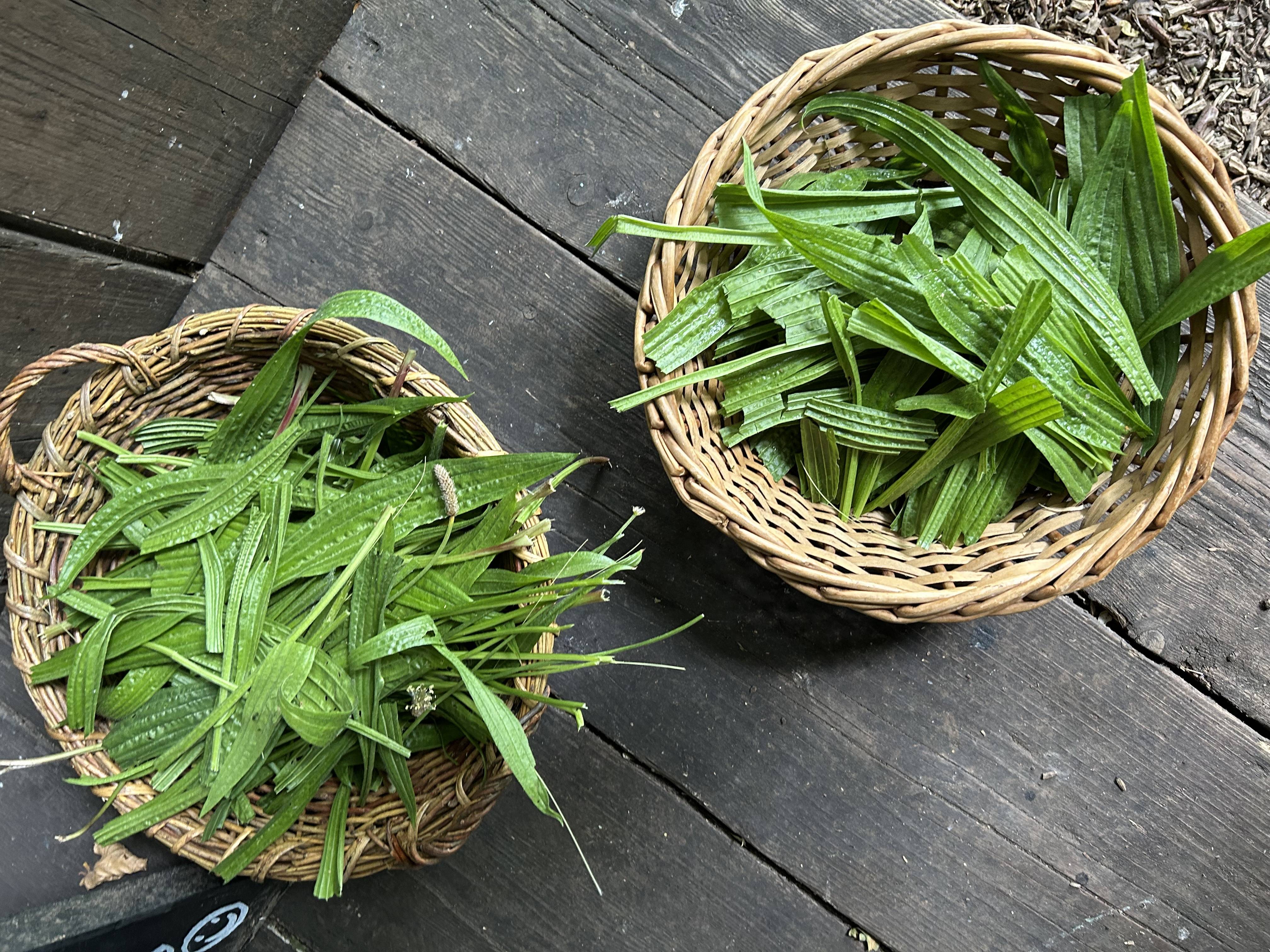
As of 2024, Rights for Weeds has been in residency at the Phytology medicine garden at the Bethnal Green Nature Reserve. For this residency, Izzy has worked alongside the volunteer community at the reserve to cultivate a medicinal garden of herbs that are normally considered ‘weeds.’
Pricing & additional information
£140 for 7 sessions.
If you are unwaged or on low-income, we offer a subsidised course fee operated on a trust basis. This is open to anyone currently with little financial security or in receipt of benefits such as Universal Credit. If you can afford the standard price, please pay it to help us ensure future programming and courses at Bethnal Green Nature Reserve are financially accessible for the community.
Refund policy
If you need to cancel your course booking, you may be entitled to a full refund if notice is given at least two weeks before (10th April) the start of the course (24th April). No partial refunds will be provided for late cancellations or missed classes. If a class is postponed for any reason, Bethnal Green Nature Reserve will reschedule.
Register your place
You can register for a place on the Foraging & Land Stewardship course on this webpage from 9AM on Thursday, 12 March 2026.